In a world that’s constantly evolving, marks alone don’t define success anymore. Yes, scoring well in exams matters but what truly makes a difference is how confidently a student speaks, how well they adapt to change, and how they handle real-life situations beyond the classroom.
For CBSE students nearing Class 12, this phase is more than just board exam preparation, it’s the beginning of a much bigger journey. College life, career choices, and real-world challenges demand skills that textbooks simply don’t teach.
So the real question is: are students truly prepared for what comes next?
Let’s explore the essential soft skills every student must develop and how they can start building them today.
Why Soft Skills Matter More Than Ever
The modern education system is evolving. Schools are no longer focused only on academics, they are equally emphasizing the importance of co curricular activities and overall personality development.
Whether it’s interviews, group discussions, or presentations, students who possess strong soft skills often stand out. These skills not only boost confidence but also help students navigate challenges with ease.
1. Communication Skills: The Foundation of Success
Strong communication skills for students are essential in every aspect of life, be it academics, friendships, or future careers.
Students should focus on:
- Expressing their thoughts clearly
- Listening actively
- Participating in discussions
Good communication isn’t just about speaking, it’s about understanding and being understood.
2. Public Speaking: Building Confidence Early
One of the most valuable skills a student can develop is confidence in speaking in front of others. Developing public speaking skills for students helps them articulate ideas, present confidently, and overcome stage fear.
If you’re wondering how to improve public speaking skills, here are a few simple tips:
- Practice speaking in front of a mirror
- Participate in debates, elocutions, or school assemblies
- Record yourself and observe areas of improvement
- Start small, speak in class before moving to larger audiences
With consistent practice, even the most hesitant speakers can become confident communicators.
3. Time Management: Balancing It All
CBSE students often face the challenge of balancing academics and extracurricular activities. With exams, projects, and personal interests all competing for attention, managing time effectively becomes essential.
Some practical strategies include:
- Creating a daily or weekly schedule
- Setting realistic goals
- Avoiding procrastination
- Prioritizing tasks based on importance
Learning to manage time early prepares students for the demands of college and beyond.
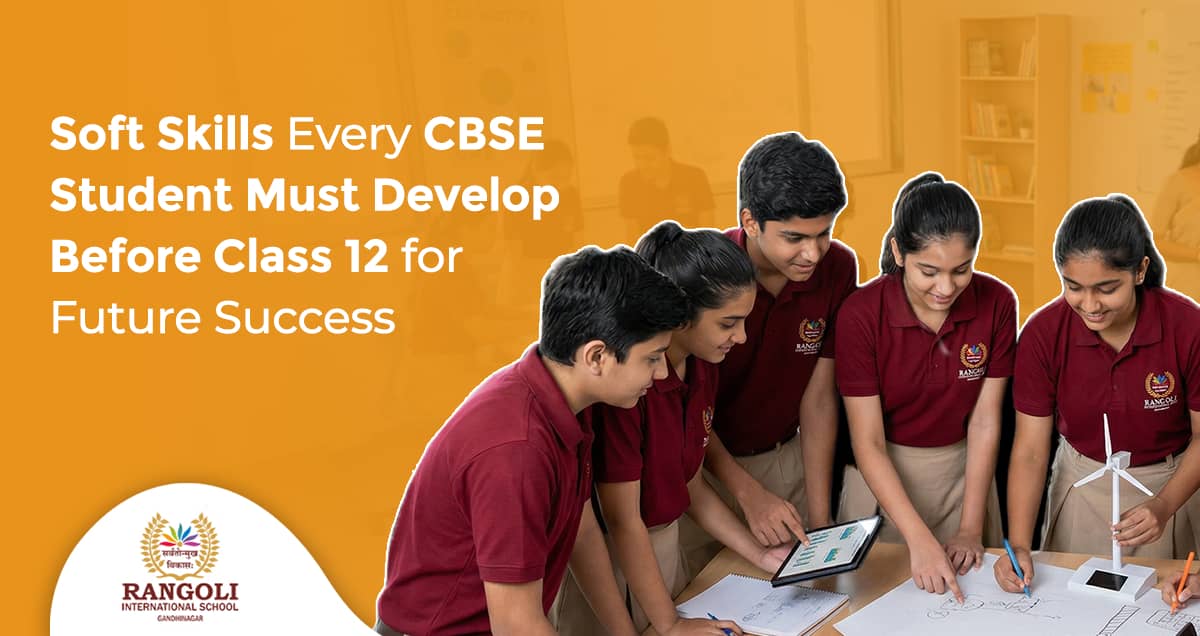
4. Teamwork and Collaboration
In both academic and professional settings, working with others is unavoidable. Group projects, team sports, and collaborative activities teach students how to:
- Respect different perspectives
- Share responsibilities
- Resolve conflicts
Participation in extracurricular activities plays a major role in building these interpersonal skills.
6. Emotional Intelligence: Understanding Yourself and Others
Academic success is important, but emotional intelligence is what helps students handle pressure, failures, and relationships.
Students who are emotionally aware can:
- Manage stress effectively
- Stay motivated during challenges
- Build stronger relationships
This becomes important especially during board exam years.
7. The Role of Co-Curricular Activities
You might have often come across the term CCA full form in school, which stands for Co-Curricular Activities. These activities are not just “extra”, they are essential for holistic development.
The importance of co curricular activities lies in the fact that they:
- Enhance creativity and confidence
- Provide practical exposure
- Help discover hidden talents
- Improve social and leadership skills
Schools like Rangoli International School Gandhinagar encourage students to actively participate in such activities, ensuring a balanced approach to learning and growth.
Creating the Right Balance
The key is not choosing between studies and activities but learning how to manage both effectively.
Students who actively engage in academics along with extracurriculars tend to:
- Perform better under pressure
- Develop a well-rounded personality
- Feel more confident about their abilities
It’s about progress, not perfection.
Conclusion
As CBSE students approach Class 12, the focus should not only be on marks but also on personal growth. Developing soft skills like communication, leadership, time management, and emotional intelligence can make a significant difference in shaping a successful future.
Remember, exams test your knowledge but life tests your skills.
The earlier students start working on these abilities, the more prepared they will be to face the opportunities and challenges that lie ahead.
Give your child the perfect balance of academics and essential soft skills for future success.
Apply for admission at Rangoli International School Gandhinagar today
FAQs
1. How can introverted students build confidence in communication?
They can start with small steps like speaking in group discussions, practicing one-on-one conversations, or participating in low-pressure activities like storytelling or presentations in class.
2. What are some daily habits that help improve soft skills?
Simple habits like reading aloud, maintaining a journal, observing good communicators, and engaging in meaningful conversations can make a big difference over time.
3. How can parents support their child in developing soft skills?
Parents can encourage open communication at home, appreciate efforts beyond academics, and provide opportunities for children to explore activities that build confidence and independence.
4. Are online platforms useful for developing soft skills?
Yes, online courses, workshops, and interactive platforms can help students improve skills like public speaking, communication, and leadership when used mindfully.
5. How can students showcase their soft skills for future opportunities?
They can highlight participation in events, leadership roles, projects, and achievements in extracurricular or co-curricular activities in their portfolios, resumes, or college applications.